As an air filter supplier, I’ve been asked countless times whether high – performance air filters are worth the investment. In this blog, I’ll delve into the science behind air filters, the benefits of high – performance ones, and help you decide if they’re the right choice for you. Air Filter

Understanding Air Filters
Air filters play a crucial role in our daily lives, whether in our homes, offices, or vehicles. Their primary function is to trap airborne particles such as dust, pollen, mold spores, and even some harmful chemicals. The basic principle of an air filter is simple: air passes through a medium, and the particles get caught in the fibers or pores of the filter.
There are different types of air filters, each with its own efficiency and purpose. The most common types include fiberglass filters, pleated filters, and HEPA (High – Efficiency Particulate Air) filters. Fiberglass filters are the most basic and inexpensive option. They are made of thin glass fibers and can capture larger particles. However, their efficiency is relatively low, usually around 20 – 30%.
Pleated filters are more advanced. They have a larger surface area due to the pleats, which allows them to capture more particles. Their efficiency can range from 40 – 90%, depending on the quality and design.
HEPA filters are the gold standard in air filtration. They are capable of capturing at least 99.97% of particles that are 0.3 microns in diameter. This includes a wide range of pollutants, from dust and pollen to bacteria and some viruses.
The Benefits of High – Performance Air Filters
Health Benefits
One of the most significant advantages of high – performance air filters is the improvement of indoor air quality. Poor indoor air quality can lead to a variety of health problems, such as allergies, asthma, and respiratory infections. High – performance filters, especially HEPA filters, can significantly reduce the concentration of allergens and pollutants in the air.
For example, if you or someone in your household suffers from allergies, a high – performance air filter can trap pollen, dust mites, and pet dander, reducing the likelihood of allergic reactions. In addition, by removing bacteria and viruses from the air, these filters can help prevent the spread of infectious diseases.
Equipment Protection
High – performance air filters also protect your HVAC (Heating, Ventilation, and Air Conditioning) systems or other equipment. When air filters are efficient at capturing particles, they prevent these particles from entering the system. This reduces the wear and tear on the equipment, extends its lifespan, and can save you money on maintenance and replacement costs in the long run.
For instance, in a commercial building, a high – performance air filter can prevent dust and debris from clogging the HVAC system’s coils and fans. This ensures that the system operates at peak efficiency, reducing energy consumption and lowering utility bills.
Environmental Impact
Using high – performance air filters can also have a positive environmental impact. By reducing the amount of pollutants released into the air, these filters contribute to cleaner air in the surrounding environment. Additionally, since they can improve the efficiency of HVAC systems, they help reduce energy consumption, which in turn reduces greenhouse gas emissions.
The Cost Consideration
High – performance air filters typically come with a higher price tag compared to standard filters. However, it’s important to consider the long – term benefits. While the initial cost may be higher, the savings in terms of health, equipment maintenance, and energy consumption can outweigh the upfront expense.
For example, a high – quality HEPA filter may cost several times more than a basic fiberglass filter. But if it helps prevent a costly HVAC system repair or reduces the frequency of allergy – related doctor visits, the investment can be well worth it.
Are High – Performance Air Filters Worth It?
The answer depends on your specific needs and circumstances. If you or someone in your household has allergies, asthma, or other respiratory conditions, a high – performance air filter is likely a wise investment. It can significantly improve your quality of life by reducing the exposure to airborne allergens and pollutants.
In a commercial setting, such as an office building or a manufacturing facility, high – performance air filters are essential for maintaining a healthy and productive work environment. They can also protect expensive equipment and reduce energy costs.
However, if you live in a relatively clean environment and don’t have any specific health concerns, a standard filter may be sufficient. But keep in mind that even in a clean environment, high – performance filters can still provide additional protection and improve overall air quality.
How to Choose the Right Air Filter
When choosing an air filter, consider the following factors:
- Efficiency Rating: Look for filters with a high MERV (Minimum Efficiency Reporting Value) rating. A higher MERV rating indicates a more efficient filter. For example, a MERV 13 filter can capture a wider range of particles compared to a MERV 8 filter.
- Size and Compatibility: Make sure the filter fits your HVAC system or air purifier. Using an incorrect size filter can reduce its effectiveness.
- Cost and Lifespan: Consider the initial cost as well as the lifespan of the filter. Some high – performance filters may last longer, which can offset the higher upfront cost.
Conclusion
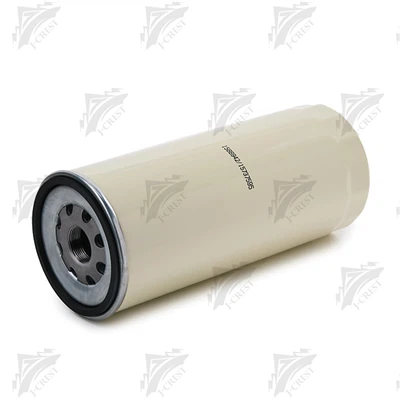
In conclusion, high – performance air filters offer numerous benefits in terms of health, equipment protection, and environmental impact. While they may be more expensive than standard filters, the long – term advantages often make them a worthwhile investment.
Engine System If you’re interested in learning more about high – performance air filters or are looking to make a purchase, I encourage you to reach out. Our team of experts can help you choose the right filter for your specific needs and provide you with detailed information on installation and maintenance. Let’s work together to improve your air quality and protect your health and equipment.
References
- American Society of Heating, Refrigerating and Air – Conditioning Engineers (ASHRAE). "Standards for Air Filtration."
- Environmental Protection Agency (EPA). "Indoor Air Quality Guide."
- World Health Organization (WHO). "Air Quality Guidelines."
Ningbo Saikan Auto Spare Parts Co., Ltd.
As one of the most professional air filter manufacturers and suppliers in China, we’re featured by quality products and good service. Please feel fee to wholesale high-grade air filter in stock here from our factory. Thank you for your interest in our products.
Address: RM. 9-1-2 Shanhai Fortune Building Luotuo Street, Zhenhai District, Ningbo, Zhejiang Province, China
E-mail: info@saikanautoparts.com
WebSite: https://www.saikanautoparts.com/
