Hey everyone! Let’s talk about something we all deal with—washing clothes with elastic waist bands. If you’re like me, you probably have a ton of these pieces in your closet: joggers, leggings, underwear, loungewear, maybe even some casual dresses. Elastic waist bands are so convenient, right? They’re stretchy, comfy, and fit just right. But if you’ve ever noticed that after a few washes, that elastic starts to lose its bounce, get twisted, or even feel stiff? Ugh, it’s the worst. I’ve been in the elastic waist band game for years, so I’ve learned a thing or two about keeping those bands in top shape—and I want to share that with you. Elastic Waist Band
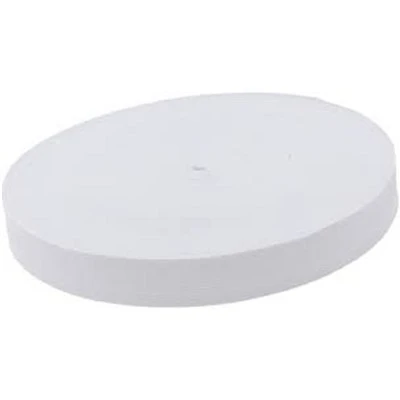
First, let’s get one thing straight: elastic isn’t invincible. It’s a synthetic material, usually made from spandex, rubber, or a blend of both, and it responds pretty differently to washing than cotton or other fabrics. That’s why what works for your regular t-shirts might not work for your favorite leggings. Let’s break down the steps, but start with the basics: prep. Most people skip prep, and that’s where the trouble starts.
Before you even toss something in the wash, take 10 seconds to check the waist band. Is it rolled? If it is, gently unroll it with your fingers. Rolled elastic gets twisted during the wash, which leads to uneven stretching later. Also, turn the garment inside out. Not only does this protect the outer fabric (like if you have a printed jogger), but it also means the elastic band itself is facing the inside of the washer drum, which is a little gentler—no harsh banging against the metal or other buttons/zips on other clothes. Pro tip: if your item has a drawstring, tie the end of it so it doesn’t get tangled up in the drum or wrap around the elastic. Tangled drawstrings can pull on the elastic and cause it to stretch out prematurely.
Now, let’s talk about washing temperature. This is a big one. I’ve seen so many people wash their loungewear in hot water because they think it’s more clean. But hot water is elastic’s enemy. Spandex breaks down when exposed to high heat over time. It loses its elasticity, becomes brittle, and can even crack. So what’s the sweet spot? Lukewarm to cold water. Cold is actually best for most elastic fabrics. It’s gentle, prevents color fading (which is a bonus), and keeps the elastic from breaking down. I always tell my suppliers that we test our elastic in cold water cycles because that’s what makes it last. If you have a super dirty pair of workout leggings, maybe a warm (not hot) water is okay once in a blue moon, but don’t make a habit of it. And never, ever use boiling water—obviously, but you’d be surprised how many people do that for stain removal on clothes with elastic.
Next, detergent. Don’t just grab any detergent. Heavy-duty, bleaching, or enzyme-based detergents can be hard on elastic. Bleach is especially bad—it eats away at spandex, leaving the elastic stiff and useless. Enzymes are great for protein stains (like sweat or food), but they can break down the synthetic fibers in elastic over repeated uses. Stick to a mild, liquid detergent. Powder detergents can sometimes leave residue on the elastic, which makes it feel stiff. Liquid rinses out easier. If you have sensitive skin, a gentle, fragrance-free one works too—no need for extra fragrances that can also irritate the elastic fibers. Also, don’t use too much detergent. Most people use way more than the label recommends, and that residue builds up on the elastic, making it lose its stretch.
Then, the washing machine cycle. What cycle do you use? Skip the heavy-duty cycle. Those are for denim or towels—they’re too rough. Use a delicate or gentle cycle. These have slower spin speeds and less agitation, which is perfect for elastic. Agitation is when the drum moves around a lot, rubbing the clothes together. That rubbing can twist the elastic and cause it to stretch out. If you don’t have a delicate cycle, a normal cycle on low spin works too. Another trick: if you have a mesh laundry bag, toss the garment inside that before putting it in the washer. The mesh adds an extra layer of protection, keeps the elastic from getting tangled with other items, and reduces agitation. I recommend this for all clothes with elastic, especially leggings or underwear that you want to keep in good shape.
Now, what about drying? This is where I see the most mistakes. A lot of people throw their elastic clothes in the dryer on high heat. Big no-no. High heat in the dryer is one of the fastest ways to ruin elastic. It can cause the elastic to shrink, melt, or lose its stretch entirely. I’ve had customers come to me saying their elastic waist bands went from a perfect fit to sagging after just a few dryer cycles—9 times out of 10, that’s the reason. So what should you do? Air dry, preferably. Lay the garment flat on a drying rack, or hang it up. If you hang it, make sure to hang it by the waist band, not the shoulders—wait, no, for joggers or leggings, hang by the ankle? No, wait, hang by the waist band so the elastic stays in shape. Wait, let me correct that: if you hang a pair of joggers by the waist band, the weight of the legs will pull on the elastic, stretching it out over time. Oh, right! So a better way for hanging: turn them inside out, fold them in half lengthwise, and hang by the middle of the leg. That way, the waist band isn’t bearing the weight. Or, lay them flat on a drying rack. Flat drying is actually the most gentle for elastic—it keeps it from being pulled in any direction. If you must use a dryer (I get it, sometimes it’s cold outside), use the lowest heat setting possible, and take the clothes out while they’re still slightly damp. Air dry the rest of the way. Don’t let them tumble completely dry in the dryer.
Wait, what about spots or stains on the elastic itself? If you have a stain right on the waist band—like a soda spill on your jogger’s waist, or makeup on a dress with an elastic waist—don’t rub it hard with a stain remover. Rubbing can break down the elastic fibers. Instead, dab the stain gently with a little mild detergent and cold water. Let it sit for 5 minutes, then rinse with cold water. That’s way gentler than scrubbing.
Now, a question I get all the time: can I iron clothes with elastic waist bands? No. Ironing elastic is a bad idea. The high heat of an iron can melt the spandex, leaving sticky, stiff spots on the elastic. If you need to smooth out a garment, use a steamer on low heat, and keep the steamer moving—don’t hold it in one spot. That’s way safer for elastic.
Let me share a little behind-the-scenes tip from my work as an elastic waist band supplier. We test all our elastic against washing and drying conditions, so we know what holds up. A lot of cheaper elastic on the market is made with low-quality spandex that breaks down after just a few washes. That’s why following these steps is so important—even the best elastic will last way longer if you wash it the right way. I’ve had customers tell me their leggings with our elastic bands still fit like new after a year, just because they follow these simple rules.
Wait, let’s talk about some common mistakes people make. One: overloading the washer. If you stuff too many clothes in, they don’t move around properly, and the friction against the elastic is worse. Don’t pack the washer—leave some room for the clothes to tumble freely. Two: washing elastic clothes with rough fabrics like denim or zippers. Zippers can snag the elastic, and denim’s rough texture can rub it raw. Wash your loungewear with other soft items, not your jeans or work clothes. Three: leaving clothes in the washing machine or dryer for too long. Damp clothes can cause mildew, but also, sitting in a wet drum can make the elastic absorb moisture, which weakens it. Take your clothes out as soon as the cycle is done.
Is there anything else? Oh, when you fold your clothes after washing, don’t fold the elastic too tightly over and over in the same place. That can create creases in the elastic that are hard to smooth out, and over time, cause the elastic to break. Just fold them normally, no extra tightness on the waist band.
Now, I know some of you might be thinking, “This feels like a lot of steps. Can’t I just wash them like regular clothes?” Sure, but you’ll end up replacing your elastic clothes a lot faster—and that’s where I come in. We supply high-quality elastic waist bands that are designed to withstand regular, gentle washing, so you don’t have to stress as much. If you’re a clothing brand, a retailer, or even someone who makes custom loungewear or underwear and wants elastic that actually lasts, I’d love to chat with you. Whether you’re looking to source elastic for your new line, or just want reliable, durable elastic for your products, reach out. We can talk about specs, quantities, and how our elastic stands up to all the washing tips I shared here.
Wait, let me make sure I didn’t miss anything. Oh, what about stretchy dresses with elastic waist bands? Same rules apply—cold water, gentle cycle, air dry, no hot dryer. Even if they’re more fancy, if they have elastic, treat them gentle. And underwear? Definitely, since elastic waist bands on underwear are super close to your skin, so gentle washing not only keeps the elastic in shape but also makes it more comfortable to wear.
Another thing: if your elastic does start to lose a little stretch, don’t throw the whole item away! You can sometimes fix it by hand stretching it gently. When it’s clean and slightly damp, pull the elastic in both directions a few times, then air dry it flat. That can help bring back some of its bounce. If it’s really stretched out, though, you might be able to replace the elastic band yourself—cut out the old one, insert a new elastic, and sew it back in. That’s a quick fix, and it’s why having good-quality elastic on hand is handy.

At the end of the day, elastic waist bands are such a game-changer for comfort, but they need a little extra care. It’s not hard—just remember cold water, gentle cycles, air dry when you can, and skip the bleach and high heat. If you’re in the clothing industry and need elastic that’s built to last, I’m here to help. We make elastic that’s tested to hold up to hundreds of gentle washes, so your products will keep their shape longer, and your customers will be happier. Don’t hesitate to reach out to discuss your procurement needs.
Braided Elastic Band References:
- Textile Institute. (2020). Care and Maintenance of Elasticated Fabrics.
- Spandex Manufacturers Association. (2021). Effects of Laundering Conditions on Elastomeric Fibers.
- Journal of Textile and Apparel Technology and Management. (2019). Durability of Elastic Waist Bands in Apparel Products.
- International Organization for Standardization (ISO). (2018). Standard Test Methods for Laundry Care Symbols for Textiles.
Zhongshan Meiya Weaving Co., Ltd.
We are one of the most professional elastic waist band manufacturers and suppliers in China for nearly 30 years. With abundant experience, we warmly welcome you to wholesale bulk elastic waist band in stock here and get free sample from our factory. We also accept customized orders.
Address: No. 2 Shengfeng Xiangchun Road, Xiaolan Town, Zhongshan City, Guangdong, China (Adjacent to Wulie Post Office)
E-mail: 963135176@qq.com
WebSite: https://www.meiyaweaving.com/
