Hey there, if you’re reading this, odds are you’re either a business owner trying to ship oversized machinery, furniture, or construction gear from China to Australia—or you’ve spent hours scrolling through shipping forums panicking because a last-minute policy change derailed your last shipment. Let me cut to the chase: as a large-item logistics provider specializing exclusively in China-to-Australia moves, I see policy shifts mess up our clients’ timelines way more than most people realize. It’s not just “shipping delays” we’re talking about—we’ve had a $200k industrial press stuck in a port for 3 extra weeks because of a random quarantine update, and a café chain’s custom coffee roasters sent back to Guangzhou because no one updated the import permit rules mid-shipment. So yeah, large-item logistics from China to Australia absolutely can be derailed by shipping policy changes. Here’s why, how it hits you, and what we do to keep our clients from getting burned. Large-item Logistics From China To Australia
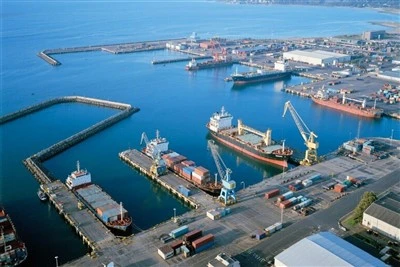
First, let’s get clear on what “large items” means for us—this isn’t a box of Amazon packages. We’re talking oversize cargo: 20+ ft long industrial cranes, 10 ft tall modular furniture units, mining equipment that won’t fit on a standard container, even prefab home components that get shipped as whole units to avoid on-site assembly costs. These aren’t standard LCL (less than container load) or FCL (full container load) shipments—they require flat rack containers, open tops, or even breakbulk vessels, and every step is governed by overlapping rules from both Chinese export authorities and Australian import regulators. That’s where policy changes hit the hardest, because one tiny shift in either country can throw the whole operation off.
Take the last 2 years’ biggest changes, for example. Australia’s Department of Home Affairs (DHA) updated its biosecurity rules for “high-risk large cargo” in mid-2023. Before that, if you were shipping a used industrial machine, you only needed a basic fumigation certificate. The new rule added a site inspection requirement for any equipment over 15 tonnes, where Australian biosecurity officers have to verify that the machine has no traces of pests, weeds, or even dirt from its previous use. Our team saw this coming (we pay close attention to regulatory updates, not just shipping rates) so we started pre-scheduling those inspections 2 weeks before the machine even left its factory in Shenzhen. But another client, a small construction company that tried to book a cheap rate through a general forwarder, didn’t know. Their 25-tonne excavator sat at the Shanghai port for 10 days because they forgot to get the new inspection, and the port charged them $1,200 in storage fees per day. That’s the kind of hit that can put a small business’s profit margin in the red.
Then there’s China’s export policy changes. In late 2022, the Chinese government rolled out new controls on “strategic large items” to stop unauthorized transfers of industrial tech to other countries. Things like laser-cutting machines, semiconductor manufacturing equipment, even some medical imaging devices—suddenly needed an export license that could take 4-6 weeks to process, instead of the 3 days it used to. We had a client in New South Wales who was waiting on a $150k MRI machine for a private clinic. When their original forwarder didn’t check the new rules, the machine was stuck in Guangzhou for 5 weeks. We stepped in to help them fast-track the license (we have relationships with China’s customs brokerage teams that can speed things up, since we specialize in large items) but that delay almost made them lose their clinic’s opening deadline, which was tied to a government grant. That’s the thing with large-item logistics: timelines aren’t just “inconvenient”—they’re often tied to contracts, payments, or critical business operations.
Wait, but what makes large items different from small packages? For one, they’re way less flexible. A small parcel can be rerouted, repacked, or sent via air freight if a port is closed, but a 40 ft flat rack with a 18 ft tall treehouse kit can’t just be split into smaller boxes. It has to travel on a specific vessel, at a specific time, and if that vessel’s route changes because of a policy rule (like a new carbon emission tax that makes some shipping lanes too expensive), you can’t just move it to a different ship. Also, large items need special handling at every step—crane lifts at Chinese ports, temporary storage that’s secured for oversized cargo, even road permits to move them within Australia. If one of those steps has a policy change, it’s not just a “delay”—it’s a total logjam. For example, in 2021, Western Australia changed its road transport rules for oversize loads, requiring a separate permit per item for loads over 12 ft wide. A furniture client shipping 10 13 ft wide sofa sets had to get 10 permits, which added 7 days to their delivery time and $8,000 in extra fees. A general forwarder who didn’t track that rule tried to get all 10 permits as a group, and got denied at the border—so their client had to pay for storage in Perth while they fixed it.
Now, let’s talk about how we (a large-item logistics provider) navigate these changes, because it’s not just about reacting—it’s about being proactive. First, we have a dedicated regulatory compliance team that checks for updates from both Chinese customs and Australian DHA every week. We don’t just rely on third-party news sites—we have direct access to customs bulletins in both countries, so we catch rule changes before they go live. For example, when Australia announced the biosecurity inspection rule for oversize cargo, our compliance team found out 2 weeks before it took effect, so we were able to start notifying all our large-item clients, adjusting our booking processes, and even pre-negotiating inspection slots with Australian biosecurity officers. Second, we build flexibility into our shipping contracts. For small parcels, most forwarders charge a fee for changes, but for large items, we lock in buffer timelines and have clauses that cover extra fees from policy changes—so our clients don’t get stuck with storage costs or permit fees when a rule shifts. Third, we work with specialized ports in both countries. Not all ports handle large items the same way. For example, in China, Ningbo Port has better facilities for oversized breakbulk cargo than Shanghai Port, and in Australia, Fremantle Port (in WA) has dedicated cranes for large machinery, which means we can avoid bottlenecks there when new road rules are announced.
But here’s the hard truth: even with all that, policy changes will cause some disruptions. The key is how you prepare for them, not just react. A lot of small businesses try to save money by using general forwarders for their large-item shipments, but those forwarders often handle small packages, so they don’t have the expertise to track regulatory changes for oversized cargo. We’ve had clients switch to us after a general forwarder messed up their shipment because they didn’t know about a new export license rule in China. One client, a renewable energy company, was shipping 3 wind turbine blades from Tianjin to Adelaide. Their original forwarder missed the new export license requirement, so the blades were stuck in port for 6 weeks, and they had to pay $25,000 in storage fees. When they switched to us, we helped them get the license in 10 days, rerouted the shipment to a port in Brisbane that had better crane access for wind blades, and added buffer time to their next contract so even if a policy changed, they wouldn’t miss their project deadline.
Wait, let’s also address a common myth: some people think that policy changes only affect “high-value” large items, but that’s not true. We recently shipped a set of prefab school buildings from Guangzhou to Darwin, which are medium-sized large items (each building is 10 ft wide, 20 ft long). Because of a new Australian border rule that requires all construction materials to be tested for asbestos before import, we had to add a week for testing, which made the school’s opening 10 days late. But because we built that buffer into our timeline, the client didn’t have to pay any penalties—something that would have cost them $10,000 if they’d used a forwarder that didn’t plan for policy shifts.
So what’s the takeaway here? If you’re shipping large items from China to Australia, policy changes aren’t a “one-time thing”—they’re a regular part of the process. The difference between a smooth shipment and a disaster is working with a provider that specializes in large-item logistics, not just general shipping. We don’t just move boxes—we handle the permits, the inspections, the port coordination, and the compliance checks so you don’t have to. If you’re planning a shipment soon, or you’ve had issues with past delays from policy changes, hit us up to chat through your needs. We can walk you through current rules, adjust your timeline to buffer for upcoming changes, and make sure your large items get where they need to go without the extra costs or headaches.
Wait, I should add a quick note about carbon emission policies too, because that’s a big one right now. Both China and Australia are rolling out new carbon taxes for shipping, which means some vessels that used to take the cheapest lane might now be more expensive, or have fewer sailing times. For our clients, that means we have to adjust our booking schedules to use vessels that meet the new carbon standards, which can shift sail times by 2-3 days—but because we work with a network of specialized breakbulk and flat rack vessels, we can swap to another ship without disrupting delivery. General forwarders might not have that network, so they have to cancel bookings or charge extra, which is why our specialized model matters.
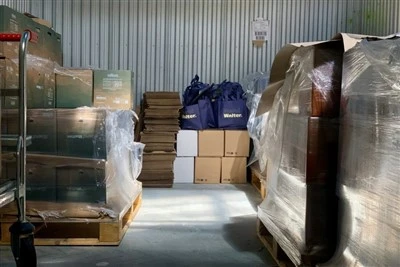
I’ve been doing this for 8 years, and I’ve seen policy changes go from minor tweaks to major shifts, and every time, the clients who plan ahead with a large-item specialist come out on top. The worst part is when a forwarder doesn’t tell you about a rule change until your shipment is already stuck. That’s not how we operate. We keep our clients in the loop every step of the way—whether that’s a new permit requirement, a port closure, or a change in tax. We send weekly updates on regulatory news that affects their specific type of shipment, so they’re never caught off guard.
Large-item Logistics From China To Australia If you’re in the market for a large-item logistics partner for your China-to-Australia shipment, don’t just go for the cheapest rate. Ask about their regulatory compliance team, their experience with oversized cargo, and how they handle policy changes. We’re happy to answer all your questions, walk through your upcoming shipment details, and give you a clear, no-obligation plan. Let’s make sure your large items arrive on time, no matter what policy shifts come up.
References
- Australian Department of Home Affairs. (2023). Biosecurity Import Conditions for High-Risk Large Cargo.
- General Administration of Customs of the People’s Republic of China. (2022). New Export Control Measures for Strategic Industrial Equipment.
- International Association of Ports and Harbors. (2023). Carbon Emission Policies for Oversized Breakbulk Shipping.
- Australian Competition and Consumer Commission. (2021). Road Transport Rules for Oversized Loads in Western Australia.
Shenzhen Kuaihui International Logistics Co., Ltd.
Shenzhen Kuaihui International Logistics Co., Ltd. is a leading China-Australia dedicated logistics service provider in China. As a professional agent and platform, we are committed to providing high quality large-item logistics from china to australia with low price. Welcome to contact us for pricelist.
Address: 3rd Floor, Building 6, Nanbiantou Industrial Zone, Xifang, Songgang Street, Bao’an District, Shenzhen City, Guangdong Province
E-mail: info@kkhwl.com
WebSite: https://www.kuaihuiexp.com/
