Hey there! I’m a supplier of elevator parts for STEP, and I’ve been getting a lot of questions lately about whether these parts can be recycled. So, I thought I’d take a deep dive into this topic and share what I’ve learned. Elevator Parts for STEP
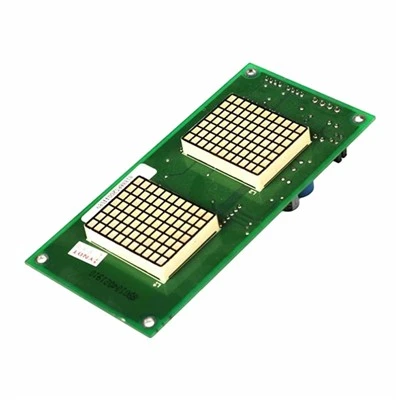
First off, let’s talk about what STEP elevator parts are. STEP stands for Sustainable Technology for Elevator Parts, and it’s all about making elevator components that are more energy – efficient and environmentally friendly. These parts include things like motors, control panels, cables, and doors.
Now, the big question: Can they be recycled? The short answer is yes, most of them can. But it’s not as simple as just tossing them in the recycling bin.
Let’s start with the motors. Elevator motors are usually made of a combination of metals, such as copper, steel, and aluminum. Copper is a highly valuable metal, and it can be easily recycled. Recycling copper from elevator motors not only helps conserve natural resources but also reduces the energy needed to produce new copper. Steel and aluminum are also recyclable. Steel can be melted down and reused to make new products, and aluminum has a high recycling rate because it can be recycled over and over again with little loss of quality.
Control panels are a bit more complex. They contain a mix of electronic components, including circuit boards, resistors, and capacitors. Many of these components can be recycled, but it requires specialized recycling facilities. Circuit boards, for example, contain precious metals like gold, silver, and palladium. Recycling these boards can recover these valuable metals, but it’s a delicate process that needs to be done properly to avoid environmental contamination.
Cables are another important part of an elevator. Elevator cables are typically made of steel or synthetic materials. Steel cables can be recycled by melting them down and using the steel to make new products. Synthetic cables, on the other hand, are a bit more challenging. Some synthetic materials can be recycled, but it depends on the type of material. For example, some plastics used in cables can be recycled into new plastic products, but others may not be as easily recyclable.
Elevator doors are often made of metal, glass, or a combination of both. Metal doors can be recycled just like other metal components. Glass doors can also be recycled, but they need to be separated from other materials and processed in a glass recycling facility.
The benefits of recycling elevator parts for STEP are huge. For one, it helps reduce the amount of waste that goes into landfills. Landfills are a major source of environmental pollution, and by recycling these parts, we can keep them out of the ground. Secondly, recycling conserves natural resources. Mining and extracting new metals and materials takes a lot of energy and has a significant environmental impact. By reusing existing materials, we can reduce this impact.
But there are also some challenges. One of the biggest challenges is finding the right recycling facilities. Not all recycling facilities are equipped to handle elevator parts, especially the more complex electronic components. This means that we need to do our research and find facilities that have the expertise and equipment to recycle these parts properly.
Another challenge is the cost. Recycling can be expensive, especially when it comes to specialized processes like recovering precious metals from circuit boards. However, in the long run, the environmental benefits outweigh the costs.
As a supplier of elevator parts for STEP, I’m committed to promoting recycling. I work with my customers to ensure that they understand the importance of recycling these parts and provide them with information on how to do it. I also try to source parts from manufacturers who are committed to sustainable practices and recycling.
If you’re in the market for elevator parts for STEP, I’d love to talk to you. I can provide you with high – quality parts that are not only reliable but also environmentally friendly. Whether you’re building a new elevator or replacing parts in an existing one, I’ve got you covered. And I can also offer you advice on how to recycle your old parts when it’s time to replace them.

In conclusion, elevator parts for STEP can definitely be recycled, but it takes a bit of effort. By working together, we can make a big difference in reducing waste and conserving natural resources. So, if you have any questions or are interested in purchasing elevator parts for STEP, don’t hesitate to reach out. Let’s work together to make our elevators more sustainable!
Elevator Parts for NBSL References
- "Recycling of Metals in the Elevator Industry", Journal of Sustainable Engineering
- "The Environmental Impact of Elevator Components", Green Building Magazine
- "Best Practices for Recycling Electronic Components", Electronics Recycling Association
Shaanxi Nona Elevator Parts Co., Ltd.
As one of the leading elevator parts for step manufacturers and suppliers in China, we warmly welcome you to wholesale bulk elevator parts for step in stock here from our factory. All elevator parts are with high quality and competitive price. For pricelist, contact us now.
Address: No.1502 Ronghao Building, Xi’an City, Shaanxi Province, China
E-mail: candice@nonaelevator.com
WebSite: https://www.nonaelevatorparts.com/
