Specialty cables are designed to meet specific requirements in various industries, offering unique features such as high temperature resistance, chemical resistance, and flexibility. As a specialty cables supplier, I’ve often encountered customers who are concerned about the potential failure modes of these cables. Understanding these failure modes is crucial for ensuring the reliability and safety of electrical systems. In this blog, I’ll discuss the common failure modes of specialty cables and provide insights on how to prevent them. Specialty Cables
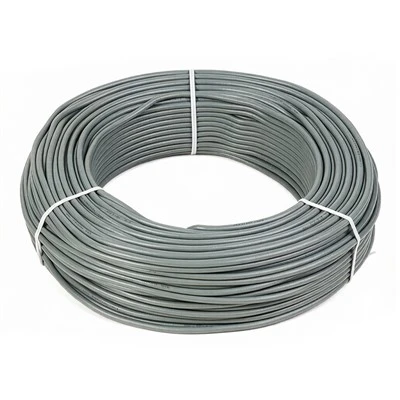
1. Mechanical Failure
Mechanical failure is one of the most common issues with specialty cables. It can occur due to various reasons, including improper installation, excessive bending, and physical damage.
Improper Installation
During the installation process, if cables are not installed correctly, it can lead to mechanical stress on the cable. For example, if cables are pulled too tightly, it can cause the insulation to crack or the conductors to break. Additionally, improper support of the cables can result in sagging, which may lead to abrasion and eventual failure. To prevent improper installation, it’s essential to follow the manufacturer’s installation guidelines carefully. Trained technicians should be involved in the installation process to ensure that all steps are carried out correctly.
Excessive Bending
Specialty cables have specific minimum bending radius requirements. If the cable is bent beyond this radius, it can cause damage to the internal structure of the cable. The conductors may break, and the insulation may be compromised, leading to electrical failure. When routing cables, it’s important to use proper cable management systems such as cable trays and conduits to ensure that the cables are not bent excessively. Regular inspections should also be conducted to check for any signs of bending damage.
Physical Damage
Physical damage can occur due to external factors such as impact, abrasion, or cutting. In industrial environments, cables may be exposed to moving machinery, tools, or sharp edges, which can cause cuts or abrasions to the cable jacket. To protect against physical damage, cables can be installed in protective conduits or armored with a metal sheath. Additionally, warning signs can be placed in areas where cables are at risk of damage to prevent accidental contact.
2. Electrical Failure
Electrical failure in specialty cables can be caused by issues such as insulation breakdown, overheating, and short circuits.
Insulation Breakdown
The insulation of a cable is designed to prevent the flow of electricity between conductors and to the surrounding environment. However, over time, the insulation can degrade due to factors such as high temperature, moisture, and chemical exposure. Insulation breakdown can lead to electrical leakage, which can cause equipment malfunction and pose a safety hazard. To prevent insulation breakdown, it’s important to select cables with appropriate insulation materials for the specific application. Regular insulation resistance testing should also be conducted to detect any signs of insulation degradation.
Overheating
Overheating can occur when a cable is carrying more current than it is rated for. This can be due to factors such as improper sizing of the cable, overloading of the electrical system, or poor ventilation. Overheating can cause the insulation to melt or degrade, leading to electrical failure. To prevent overheating, it’s essential to size the cables correctly based on the expected load. Additionally, proper ventilation should be provided in cable trays and enclosures to dissipate heat. Temperature monitoring devices can also be installed to detect any signs of overheating.
Short Circuits
A short circuit occurs when two conductors in a cable come into contact with each other, bypassing the normal electrical path. This can be caused by insulation breakdown, physical damage, or improper installation. Short circuits can cause a significant increase in current flow, which can lead to overheating, equipment damage, and even fires. To prevent short circuits, it’s important to ensure that the insulation is intact and that the conductors are properly separated. Ground fault protection devices can also be installed to detect and interrupt short circuits.
3. Environmental Failure
Specialty cables are often used in harsh environments, and environmental factors can have a significant impact on their performance and reliability.
Temperature Extremes
Extreme temperatures can cause the insulation and conductors of a cable to expand or contract, leading to mechanical stress and potential failure. High temperatures can also accelerate the degradation of the insulation, reducing its effectiveness. In cold temperatures, the cable may become brittle and more prone to cracking. To withstand temperature extremes, it’s important to select cables with appropriate temperature ratings. Heat tracing systems can be used in cold environments to prevent freezing, and cooling systems can be installed in high-temperature environments to maintain a safe operating temperature.
Moisture and Humidity
Moisture and humidity can penetrate the cable jacket and cause corrosion of the conductors and insulation degradation. In addition, moisture can provide a path for electrical leakage, increasing the risk of electrical failure. To protect against moisture and humidity, cables can be installed in waterproof enclosures or coated with a moisture-resistant material. Regular inspections should also be conducted to check for any signs of moisture ingress.
Chemical Exposure
Specialty cables may be exposed to various chemicals in industrial environments, such as acids, bases, and solvents. These chemicals can attack the cable jacket and insulation, causing them to degrade and lose their effectiveness. To resist chemical exposure, it’s important to select cables with chemical-resistant materials. Additionally, proper ventilation and containment systems should be in place to minimize the exposure of cables to chemicals.
4. Aging and Degradation
Over time, all cables will experience some degree of aging and degradation. The rate of aging depends on factors such as the type of cable, operating conditions, and environmental factors.
Material Aging
The materials used in specialty cables, such as insulation and jacketing, can gradually degrade over time due to factors such as heat, moisture, and oxidative stress. This can lead to changes in the physical and electrical properties of the cable, such as reduced insulation resistance and increased brittleness. To mitigate the effects of material aging, it’s important to select high-quality cables with good aging resistance. Regular maintenance and replacement of aging cables can also help to ensure the continued reliability of the electrical system.
UV Exposure
Cables exposed to sunlight for extended periods can experience UV degradation. UV rays can break down the polymers in the cable jacket, causing it to become brittle and crack. This can expose the internal conductors to the environment, increasing the risk of electrical failure. To protect against UV exposure, cables can be installed in shaded areas or coated with a UV-resistant material.
Preventive Measures and Solutions
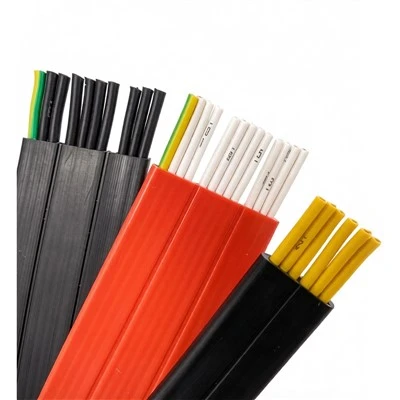
To minimize the risk of cable failure, the following preventive measures can be taken:
- Proper Selection: Choose cables that are suitable for the specific application, considering factors such as temperature, moisture, chemical exposure, and mechanical stress.
- Quality Installation: Ensure that cables are installed by trained technicians following the manufacturer’s guidelines. Use proper cable management systems to prevent excessive bending and physical damage.
- Regular Maintenance: Conduct regular inspections and testing of cables to detect any signs of damage or degradation. Replace aging or damaged cables promptly.
- Environmental Protection: Provide appropriate protection against environmental factors such as temperature extremes, moisture, and chemical exposure. Use protective enclosures, coatings, and ventilation systems as needed.
Conclusion
Control Cables As a specialty cables supplier, I understand the importance of ensuring the reliability and safety of our products. By understanding the common failure modes of specialty cables and taking appropriate preventive measures, we can help our customers avoid costly downtime and ensure the smooth operation of their electrical systems. If you have any questions about specialty cables or need assistance with cable selection and installation, please don’t hesitate to contact us for a procurement discussion. We’re here to provide you with the best solutions for your specific needs.
References
- Grover, P. K. (2009). Electrical Power Cable Engineering. CRC Press.
- Perry, R. H., & Green, D. W. (2007). Perry’s Chemical Engineers’ Handbook. McGraw-Hill.
- Teran, M. (2016). Handbook of Electrical and Electronics Engineering. Oxford University Press.
Anhui Yuantong Cable Co., Ltd.
As one of the most professional specialty cables manufacturers and suppliers in China, we offer a wide range of cables with superior quality. Please feel free to wholesale bulk customized specialty cables from our factory. Also, pricelist is available.
Address: Yongfeng Industrial Park, Tianchang City, Anhui Province
E-mail: ahytcable@126.com
WebSite: https://www.yuantongcable.net/
