As a supplier of thermoplastic hydraulic hoses, I often get asked about what these hoses are made of. It’s a fair question, considering these hoses play a crucial role in so many industries, from construction to manufacturing. So, let’s dive into the chemical composition of thermoplastic hydraulic hoses. Thermoplastic Hydraulic Hose
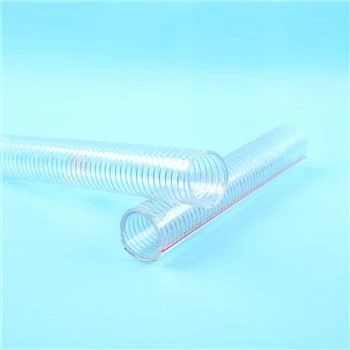
Inner Tube Materials
The inner tube of a thermoplastic hydraulic hose is the part that comes into direct contact with the hydraulic fluid. It needs to be resistant to the fluid, as well as able to withstand the pressure and temperature of the system. There are a few common materials used for the inner tube.
One of the most popular materials is Polyamide (PA). It’s a tough, lightweight plastic that offers excellent chemical resistance. PA can handle a wide range of hydraulic fluids, including mineral oils, water – glycol mixtures, and synthetic fluids. It also has good abrasion resistance, which is important because the inner tube can be rubbed against by the fluid and any particles in it. Another great thing about PA is its flexibility. This allows the hose to bend easily without kinking, which can disrupt the flow of the hydraulic fluid.
Polyurethane (PU) is another material used for the inner tube. PU is known for its high tensile strength and elastic properties. It can stretch and then return to its original shape, which is useful in applications where the hose might be subject to some stretching. Additionally, PU has excellent resistance to hydrolysis, which means it can withstand the breakdown caused by water in the hydraulic fluid. It’s also very wear – resistant, so it can last a long time even in demanding environments.
Reinforcement Layers
The reinforcement layers in a thermoplastic hydraulic hose are what give it the strength to withstand the high pressures in hydraulic systems. These layers are usually made of strong fibers or wires.
One common reinforcement material is polyester. Polyester fibers are strong and have good dimensional stability. They don’t stretch much under pressure, which helps the hose maintain its shape. This is important because if the hose were to stretch too much, it could lead to a decrease in the internal diameter and affect the flow of the hydraulic fluid. Polyester also has good resistance to chemicals and moisture, which means it won’t degrade easily when exposed to the conditions inside a hydraulic system.
Aramid fibers are also used for reinforcement. Aramid, like Kevlar, is incredibly strong. It has a high strength – to – weight ratio, making it possible to create lightweight yet high – pressure – resistant hoses. Aramid – reinforced hoses can handle extremely high pressures, which is why they’re often used in high – performance applications, such as in aerospace or some heavy – duty industrial machinery.
In some cases, steel wires are used for reinforcement. Steel is very strong and can provide excellent pressure resistance. Steel – reinforced hoses are commonly used in applications where very high pressures are involved, such as in some hydraulic presses. However, steel – reinforced hoses are heavier than those reinforced with fibers, so they might not be the best choice for applications where weight is a concern.
Outer Cover Materials
The outer cover of a thermoplastic hydraulic hose protects the inner layers from external damage, such as abrasion, chemicals, and sunlight.
Polyurethane is a popular choice for the outer cover. As I mentioned earlier, PU has excellent abrasion resistance, so it can protect the hose from being worn down as it rubs against other surfaces. It also has good resistance to oils and chemicals, which is important because the hose might be exposed to various substances in its working environment. Additionally, PU can be formulated to be resistant to UV radiation, so it won’t degrade when exposed to sunlight for long periods.
Polyvinyl Chloride (PVC) is another option for the outer cover. PVC is relatively inexpensive and easy to process. It has good resistance to a variety of chemicals and is also flexible. However, it might not be as abrasion – resistant as PU, so it might not be the best choice for applications where the hose is likely to be in contact with rough surfaces.
How the Chemical Composition Affects Performance
The chemical composition of a thermoplastic hydraulic hose has a huge impact on its performance. For example, if the inner tube material is not resistant to the hydraulic fluid, it can start to break down. This can lead to leaks, which are not only a safety hazard but can also cause the hydraulic system to malfunction.
The choice of reinforcement material affects the pressure – rating of the hose. Hoses with stronger reinforcement materials, like aramid or steel, can handle higher pressures. So, if you need a hose for a high – pressure application, you’ll want to choose one with an appropriate reinforcement layer.
The outer cover material determines how well the hose can withstand external factors. A hose with an abrasion – resistant outer cover will last longer in an environment where it’s likely to be rubbed against other objects. Similarly, a hose with a UV – resistant outer cover is a better choice for outdoor applications.
Importance of Quality in Chemical Composition
As a supplier, I know how important it is to ensure the quality of the chemical composition of our thermoplastic hydraulic hoses. We use high – quality raw materials to make sure our hoses can perform well in different applications.
For example, when we use polyamide for the inner tube, we make sure it meets strict quality standards. This means it has the right level of chemical resistance and flexibility. We also test the reinforcement materials to ensure they have the necessary strength. And for the outer cover, we choose materials that can provide the best protection against the environment.
If you’re in the market for thermoplastic hydraulic hoses, don’t just look at the price. Consider the chemical composition and how it will affect the performance of the hose. A high – quality hose might cost a bit more upfront, but it can save you a lot of money in the long run by reducing the need for frequent replacements and preventing costly system failures.
Conclusion

So, there you have it – the chemical composition of thermoplastic hydraulic hoses. The inner tube, reinforcement layers, and outer cover all play important roles in determining the performance of the hose. By understanding the different materials used, you can make a more informed decision when choosing a thermoplastic hydraulic hose for your application.
PVC Hose If you’re interested in learning more or want to discuss your specific requirements for thermoplastic hydraulic hoses, don’t hesitate to reach out. We’re here to help you find the right hoses for your needs. Whether you need a high – pressure hose for heavy – duty machinery or a flexible hose for a more delicate application, we’ve got you covered.
References
- "Handbook of Thermoplastic Elastomers." Second Edition. Edited by B. M. Walker and C. P. Rader.
- "Hydraulic Systems Design: Fundamentals and Applications." Authored by Dr. Paul A. Kirchain.
- Technical Bulletins from Raw Material Suppliers (e.g., DuPont for Polyamide, BASF for Polyurethane).
Hebei Qianli Rubber Products Co., Ltd.
As one of the most professional thermoplastic hydraulic hose manufacturers and suppliers in China, we have world-leading production equipment and strong manufacturing capabilities. Please feel free to buy bulk durable thermoplastic hydraulic hose made in China here from our factory.
Address: West industrial Zone, Jing County, Hengshui City, Hebei Province, China.
E-mail: manager@hebeiqianli.com
WebSite: https://www.qianlirubber.com/
