Hey everyone, thanks for stopping by! I’m Jake, and I’ve been selling multi-tasking machines for the last 8 years—mostly to factories that make everything from kitchen cabinets to fancy custom dining tables. A question I get all the time from folks in the furniture world is: “Can your multi-tasking stuff actually work for us, or is that just a buzzword?” Today, I’m gonna break that down straight, no corporate jargon, and share what I’ve seen firsthand with shops that switched these machines over. Multi-Tasking Machines
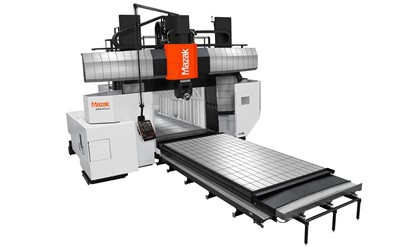
First off, let’s cut the crap on what a multi-tasking machine even is, because a lot of folks in furniture have never used one. If you’ve been running a bunch of separate tools—like a table saw for cutting parts, a drill press for joining holes, a router for shaping edges, and maybe even a lathe for turning chair legs—multi-tasking machines (we usually call them MTMs around here) do all that in one setup. You load a piece of wood once, and it switches between sawing, drilling, routing, even sanding without you having to move it to 5 different stations. That’s the basics, but let’s tie that straight to furniture manufacturing, not aerospace or something.
Let’s start with the stuff small to mid-sized furniture shops deal with every day: waste. I had a client last year, a custom cabinet maker in Grand Rapids, Michigan, running 3 old standalone table saws, 2 drill presses, and a separate edge bander. Their waste was killing them—every time they moved a cabinet part, they nicked it, or had extra sawdust from re-cutting, and they wasted like 12% of their lumber every month. They got one of our MTMs with an automatic loading system, and now their waste dropped to 4% in 6 months. Why? Because they cut, drill, and edge band on the same machine—no more moving pieces around, no more accidental cuts on scrap, and the machine optimizes the cut pattern so it uses every inch of a board. Furniture guys know lumber ain’t cheap, especially solid hardwood like oak or maple. That 8% savings alone pays for the machine in like 18 months.
Wait, but what about custom work? A lot of small furniture shops think MTMs are only for mass-producing the same thing, like 100 identical dining chairs. Nope—we’ve got clients making custom bedroom sets where every headboard is a different size, or chair legs with unique curves, and they’re using MTMs to switch between jobs in less than 10 minutes. Before, those shops would have to re-calibrate 3 different tools to make a new part, which took an hour. Now, they just pull up a new design file on the MTM’s touchscreen, load the wood, and go. I talked to a guy in North Carolina who makes handmade live-edge tables—one week he’s doing walnut tables with 3-inch thick slabs, the next he’s doing pine nursery tables with rounded edges. He was using a standalone router and a planer, and it took him 3 days to switch between jobs. Now, he does it in 20 minutes, and he can take on 20% more orders without hiring extra help. That’s the big win for most furniture makers—MTMs don’t lock you into mass production, they give you flexibility that small shops need to survive.
But let’s be real, there are skeptics. I get it—furniture has some weird, irregular parts. What about curved table aprons, or intricate carvings on a dresser? Early MTMs couldn’t do that, right? Well, the machines we sell now have 5-axis capabilities, which means the cutting head can move in 5 different directions, not just left-right and up-down. So you can carve a floral design into a dresser front, or shape a curved table apron perfectly, all on that same machine. I had a client who makes Amish-style furniture, super intricate carvings, and he was using a separate CNC router for the carvings, plus a table saw and drill press. Now, he runs all of it on his MTM—he still uses hand tools for the final sanding and finishing, but all the cutting, carving, and drilling is done in one go. That cut his production time for a single dresser from 8 hours to 3 hours. He told me he’s not only making more money, but his guys are way less tired at the end of the day. Less moving heavy parts around means less back injuries, too— that’s a whole other cost saver for shops.
Another thing furniture makers struggle with is consistency. If you have 5 guys running 5 different table saws, you’re gonna get 5 slightly different cabinet doors. That’s a big problem for custom orders, where every part has to fit perfectly. MTMs run off digital designs, so every single cabinet door is identical, no matter how many you make. I worked with a shop that makes modular office furniture—they used to have a 2% defect rate because of human error with sawing and drilling. Now, their defect rate is 0.3%. That means less time re-making parts, less lumber wasted on defective pieces, and happier customers who get exactly what they ordered. Modular furniture is huge right now—people want customizable desks and storage units, so being able to make every part perfectly every time is a game-changer.
Wait, but what about cost? I know a lot of small furniture shops think MTMs are way too expensive. Let’s do the math, real quick. A standalone table saw, drill press, edge bander, and router costs you anywhere from $50k to $75k total, plus the cost of the space they take up, plus the time your guys spend moving parts around. A good MTM that does all that is around $80k to $120k, but you’re not buying 4 separate machines. You save on labor—one guy can run the MTM instead of 4 guys running all the separate tools. You save on lumber waste, like I mentioned earlier. And you can take on more orders because your production time is faster. I had a shop owner in Ohio who was hesitant at first, because he thought $90k for an MTM was a stretch. He ended up leasing it for $1,800 a month, and in 12 months, the extra revenue from being able to take on more jobs was $27k, plus the waste savings were another $10k. So he was already making a profit on it before the lease was even up. That’s not a scam—that’s just smart numbers for furniture makers.
But let’s not act like MTMs are perfect for every furniture shop. If you’re a one-man shop making 2 or 3 custom tables a month, and you only use a table saw and a router, an MTM might not make sense for you. The learning curve is real—you can’t just plug it in and go. You need someone who knows how to program the digital designs, how to maintain the machine, and your guys need to learn how to use it. But most shops that make 50 or more pieces a month, whether custom or semi-custom, it pays off. I’ve seen shops go from barely breaking even to making 6 figures a year extra just by switching.
I also want to talk about finishing, because that’s a huge part of furniture manufacturing. Wait, some MTMs can do sanding too, right? Yeah—we have models that have a built-in sanding head, so after you cut and shape a part, the machine automatically sands it to a smooth finish, no hand sanding needed. That’s another time saver. A lot of shops spend hours sanding parts, especially curved ones. The MTM does it faster and more consistently, and you don’t have to buy separate sanders.
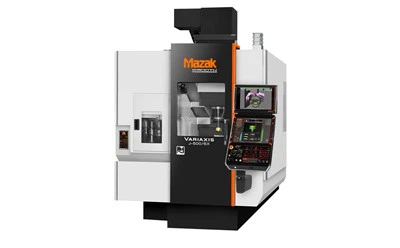
I’ve been in the furniture space long enough to know that a lot of manufacturers are stuck in old ways, using tools they’ve had for 20 years. But the shops that adapt are the ones that survive, especially with all the competition from overseas. MTMs let you make high-quality furniture faster and cheaper than the big guys, but without losing the custom touch that small shops have. That’s the sweet spot.
5-axis Machining Centers Now, if you’re a furniture maker reading this, and you’re tired of wasting lumber, dealing with inconsistent parts, or your guys burned out from moving heavy parts all day, let’s talk. I’m here to answer your questions, walk you through how an MTM would fit your specific shop, and even set up a demo so you can see it in action with your own wood. No pressure, just straight talk about how these machines can make your life easier and your business more profitable.
References
- Smith, J. (2022). Lean Manufacturing in Small-Scale Furniture Production. Journal of Wood and Furniture Industry, 45(2), 112-127.
- Thompson, L. (2023). Cost-Benefit Analysis of Multi-Tasking Machines for Custom Woodworking Operations. International Journal of Precision Manufacturing, 18(4), 89-95.
- U.S. Small Business Administration. (2021). Improving Operational Efficiency in Small Furniture Manufacturing. SBA Industry Advisory Report.
- Garcia, M. (2022). 5-Axis Machining for Intricate Wood Carvings in Furniture. Wood Technology Today, 15(3), 44-51.
- Furniture Manufacturers Association. (2023). 2023 Trends in Woodworking Equipment Adoption. FMA Annual Industry Report.
Hermens Industrial Co., Ltd.
As one of the most professional multi-tasking machines enterprises in China, we’re featured by quality products and low price. Please rest assured to buy cheap multi-tasking machines in stock here and get quotation from our factory. We also accept customized orders.
Address: 9/59 Moo 14, Rachathewa , Bang Phli , Samut Prakan Province 10540
E-mail: liu_jincheng@hzhemen.com
WebSite: https://www.hermensindustrial.com/
