If you’ve ever worked in a construction site, manufacturing facility, or even a home renovation, you’ve probably noticed protective fittings—those unassuming parts that keep pipes, electrical conduits, and industrial machinery safe from damage, corrosion, or accidental tampering. As a protective fittings supplier who’s spent the last 12 years troubleshooting and refining these components, one question comes up again and again: Are protective fittings easy to remove? The short answer isn’t a simple yes or no—it depends on the type of fitting, its intended purpose, and how it was installed in the first place. Let’s break this down, because getting removal right is just as critical as getting installation right. Protective Fittings
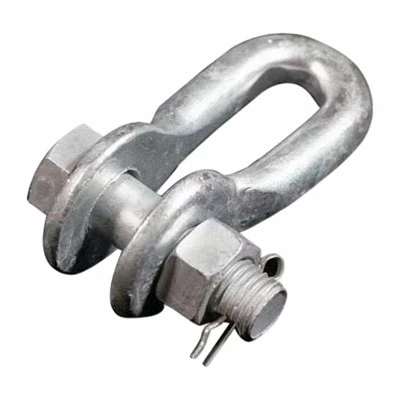
First, let’s ground this in what protective fittings actually do. They’re not one-size-fits-all; each variant is engineered for a specific job. For example, take standard pipe protective caps—those threaded or snap-on covers that seal the ends of steel, PVC, or copper pipes during transport and storage. These are designed to stay put through heavy handling, rain, and temperature swings, but they’re also built to come off when you need to connect the pipe. Compare that to a corrosion-resistant protective sleeve fitted to an industrial pipeline carrying harsh chemicals; that’s designed to stay in place for 20+ years, so removal isn’t a casual task. The difference boils down to “temporary” vs. “permanent” protective fittings, and that distinction shapes every part of removability.
A lot of people assume all protective fittings are quick to pop off, but that’s not always the case—and when they’re hard to remove, it’s rarely a design flaw. Most of the time, it’s either incorrect installation or a mismatch between the fitting type and its use case. For example, I once worked with a plumbing contractor who installed threaded protective caps on a residential water line with Teflon tape that was way too thick. The tape bulged between the cap and the pipe thread, creating a seal that made the cap feel welded on. He ended up having to use a small pipe wrench to twist it off, and even then, it took three times longer than it should have. On another job, a manufacturing plant used heat-shrink protective wraps for their electrical conduits, but they skipped using a heat gun to activate the adhesive; the wrap was loose when it went on, so by the time the plant was ready to rewire sections, most of the wraps had fallen off on their own, and the ones that stayed were easy to slice with a utility knife.
Then there’s the segment of protective fittings that are intentionally semi-permanent. These are common in heavy industry, where pipelines or equipment need protection during storage, but require access for maintenance or reconfiguration every few years. A good example is our line of bolt-on protective guards for industrial valve stems. These aren’t meant to be removed on a daily basis, but they have pre-drilled bolt holes and a standardized wrench size, so they can be taken off in 5 to 10 minutes with basic tools, no special equipment required. The key here is that semi-permanent fittings are designed with removal in mind—we don’t use custom bolts that can only be loosened with a proprietary tool, because that would create a headache for maintenance teams.
That said, there are cases where protective fittings are notoriously hard to remove, and they’re usually the ones engineered for maximum, long-term protection. Take our line of underground pipe protective coating sleeves, for example. These are installed on new pipelines before burial, and their job is to prevent corrosion from soil, groundwater, and chemical contaminants for 30 years or more. To make sure they stay in place, they’re fused to the pipe surface with a hot melt adhesive that sets almost instantly. Removing one of these after installation is no small feat—you might have to use a heat torch to soften the adhesive, then a putty knife to pry the sleeve off, and even then, you’ll leave residue on the pipe. That’s not a bad design, though; if a sleeve came off easily underground, it would fail at its core job. The trade-off is that removability is low, but that’s a necessary compromise for long-term durability.
Another common source of confusion is different materials. For instance, plastic protective fittings (like polypropylene pipe caps) tend to be easier to remove than metal ones (like steel pipe end protectors), because plastic is more flexible and less likely to warp under pressure. Metal fittings, on the other hand, can rust or seize onto the pipe they’re covering, especially if they’re left out in the rain for months. I’ve seen steel end caps that were left on a construction site for six months, then rusted so tightly to the pipe that the contractor had to cut the cap off with a saw, damaging a small section of the pipe in the process. That’s a preventable issue: if you’re storing metal fittings outdoors, coating them with a light oil or wrapping them in a plastic bag before installation will prevent rust, making removal much easier later.
So, how can you make sure your protective fittings are easy to remove when you need them to be? From our experience as a supplier, it boils down to three steps: match the right fitting type to your timeline, follow installation guidelines, and test removability before you finalize the job. First, if you’re using a fitting for short-term transport or storage (less than a year), stick to snap-on or threaded caps that are designed for easy removal—don’t pay extra for a heavy-duty sleeve that’s meant for decades of use. Second, don’t cut corners on installation. If a fitting calls for a heat gun to activate adhesive, use it; if it needs a specific torque on bolts, use a torque wrench. We’ve seen customers skip these steps and then complain that the fitting won’t come off, when the problem was their own installation. Third, do a test. If you’re working on a large job, pick one section to install a fitting, then try to remove it before you install the rest. If it’s too tight or too loose, you can adjust the type or installation method before you run into issues down the line.
Now, let’s talk about when removability isn’t the priority. There’s a common misconception that all protective fittings should be easy to remove, but that’s not true. For example, medical equipment manufacturers use protective seals on surgical tool trays that are designed to be removed once, then disposed of. Those seals are made to be tight and tamper-evident, so removability isn’t a feature—it’s a function. You don’t want a seal that falls off on its way to the operating room, and you also don’t want it to be so hard to remove that it leaves sharp edges on the tool tray. That’s a balance our team works on constantly: designing fittings that do their protective job, but also are safe and reasonable to remove when the time comes.
We also get a lot of questions about retrofitting—what if you already installed a protective fitting and now you need to remove it? That’s trickier, especially if it’s a permanent fitting. For example, if you installed a corrosion-resistant sleeve on a pipe that’s now in a location where you need to access the pipe for a repair, you’ll need to use specialized tools. Most suppliers, including us, sell removal kits for these cases, like heat torches for adhesive sleeves or bolt extractors for seized metal guards. It’s always better to plan for removability upfront, but if you’re in a pinch, there are solutions.
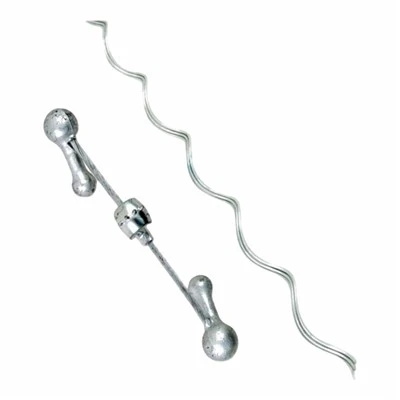
At the end of the day, the answer to “Are protective fittings easy to remove?” is: when they’re designed to be, yes. When they’re designed to stay in place, no. As a supplier, our job isn’t to make fittings that are either easy or hard to remove—it’s to make fittings that meet your needs, whether that’s a cap you can pop off in 10 seconds, or a sleeve that will protect your pipe for 30 years without coming loose. If you’re working on a project and you’re not sure which type of protective fitting is right for you, or you’re running into issues with removal, don’t hesitate to reach out to discuss your requirements. We can help you select the right components, share installation best practices, and make sure your protective fittings do their job without creating headaches when you need to access the covered equipment.
Guy Hardware References
- ASME B16.5, Pipeline Fittings: Standardization for Protective End Covers and Removability Testing
- Occupational Safety and Health Administration (OSHA), Guidelines for Removable Protective Equipment in Construction and Manufacturing
- NACE International, Corrosion Protection Standards for Underground Pipeline Protective Coatings
- ASTM International, Test Methods for Removability of Temporary Pipe Protective Fittings
Hebei Tongchuang Power Fittings Co., Ltd.
With abundant experience, we are one of the most professional protective fittings manufacturers and suppliers in China. Please feel free to buy advanced protective fittings for sale here from our factory. Good service and quality products are available.
Address: Houxiaohan Industrial Zone, Xingbieying Town, Hejian City, Hebei Province, P.R. China
E-mail: tongchuangepf@gmail.com
WebSite: https://www.tongchuangpower.com/
