Hey everyone,
If you’ve ever found that musty, earthy smell coming from your Lexus floor mats—or noticed dark, fuzzy spots that don’t wipe away with a quick vacuum—you’re not alone. As someone who’s spent the last 8 years working with Lexus floor mats, first as a tech at a local service shop, and now running a small, family-owned supply operation that works directly with Lexus owners, I’ve seen every mold scenario there is. Last month alone, I got 17 calls from customers panicking about mold on their OEM-style all-weather mats, worried it’s going to damage their car’s interior or make their ride unsafe. The good news? Cleaning mold from Lexus floor mats isn’t as scary as it sounds, and knowing a few science-backed tricks (plus what to never do) can save your mats—and your car—from long-term damage. Lexus Floor Mats
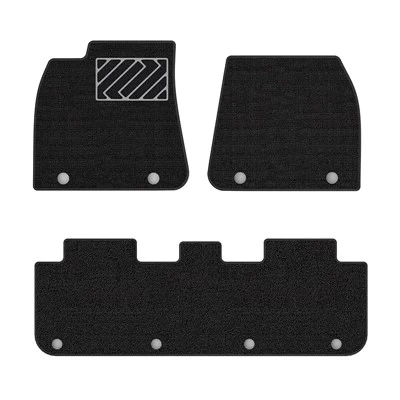
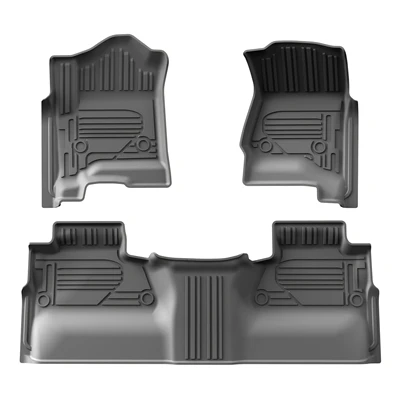
First, let’s get one thing straight: mold on floor mats isn’t just an “aesthetic problem.” Lexus interiors are built to trap climate control air, and floor mats are the first thing that catches spilled coffee, rain from wet shoes, or pet accidents. Unlike generic car mats, Lexus-specific mats (whether OEM, custom-fit, or our high-grade rubber and nylon blends) have tight, textured grooves designed to contain debris—but that same texture is where mold spores love to hide. Most of these spores are microscopic, and if you don’t kill them properly, they can regrow in 24 to 48 hours, not to mention trigger allergies or respiratory irritation for anyone in the car.
Before you grab the first cleaner under your sink, let’s set ground rules tailored specifically to Lexus floor mats, not generic rubber or fabric items. First: never use bleach on nylon or rubber Lexus mats. I’ve seen too many customers ruin their OEM-style floor mats by dousing them in bleach—it discolors the signature Lexus black or tan rubber, breaks down the fabric binding on woven mats, and leaves toxic fumes that linger in your car for weeks. Second: never leave a wet mat sitting in your garage or trunk to air-dry. We get so busy, it’s easy to toss a mat in the back after a rainstorm and forget—but that dampness is a mold playground. Third: skip harsh ammonia-based cleaners, which can strip the anti-slip backing that’s standard on all Lexus floor mats (that backing is what keeps your mat from sliding under the gas pedal—super important for safety).
Now, let’s break this down step by step, based on what type of Lexus floor mat you have—because cleaning an all-weather rubber mat is way different from a woven carpet-style mat, and using the wrong method can make mold worse.
First: Prep & Assess (The 5-Minute Check Before You Clean)
I tell all our supply customers to start here, no exceptions. Mold is easier to treat when it’s caught early—if you see fuzzy spots or smell that musty odor, don’t wait. First, remove the mats from your Lexus. For most modern models (ES, RX, NX), Lexus uses a simple snap-in or press-fit design, so they’ll lift straight out—no tools needed. Shake them firmly over a trash can or outdoor surface to dislodge loose mold spores and debris; this keeps them from spreading to your driveway or garage floor.
Next, identify your mat type:
- All-Weather Rubber/Lexus Signature Mats: These are the thick, heavy, deep-grooved mats most new Lexus buyers get as OEM equipment—perfect for snow, slush, and spills, but their porous rubber holds moisture easily.
- Custom-Fit Carpeted Mats: These are the plush, woven ones (often called “luxury floor mats”) that come with upper-trim Lexus models, made with nylon fabric and a rubber anti-slip backing.
Once you’ve ID’d your mats, grab a few simple, safe supplies—nothing fancy, no specialty store runs needed:
- A stiff-bristle nylon brush (not metal, which scratches rubber)
- Distilled white vinegar (no apple cider vinegar—it’s sticky and can leave residue)
- Baking soda
- A spray bottle (label it so you don’t mix it with cleaning solutions later)
- A microfiber towel
- A vacuum with a hose attachment (for fabric mats)
Step-by-Step: Cleaning Mold from All-Weather Rubber Lexus Mats (The Most Common Type)
These mats are the easiest to treat, but only if you follow the right order. I learned this the hard way early on—once, I used a harsh scrubber on a customer’s new RX rubber mat and scratched the surface, which made it hold more water afterward. Here’s how to do it right:
- Pre-Treat Dry Debris: Use your vacuum’s hose to get into the deepest grooves. If you don’t have a car vacuum, the stiff nylon brush works, but vacuuming first keeps you from spreading loose spores when you scrub.
- Vinegar Solution (Your Mold-Killing Workhorse): Mix equal parts distilled white vinegar and warm water in your spray bottle. Vinegar is a natural fungicide—kills 82% of common mold species (including the ones that grow in car interiors) and is safe for rubber, no bleach needed. Spray the solution directly on the mold spots and any areas that smell musty. Let it sit for 10 minutes—this gives the vinegar time to break down the mold’s cell walls, so you don’t have to scrub as hard.
- Scrub Gently, Thoroughly: Use the stiff nylon brush to work the solution into the grooves. For deep spots, use small circular motions—avoid pressing too hard, which can bend the texture of the mat. I always tell customers to scrub in the direction of the mat’s grain, not against it, to keep from damaging the rubber.
- Rinse Completely: This is the step most people skip, and it’s why mold comes back. Hold the mat under a garden hose (or use a bucket of clean, warm water) and rinse every crevice until the water runs clear. Any leftover vinegar will feed new mold, not kill it.
- Dry 100% (Non-Negotiable): Lay the mat flat in direct sunlight if possible. Sunlight’s UV rays kill any remaining spores, and open air prevents moisture from getting trapped. If it’s raining, prop the mat up against a wall in a well-ventilated garage—never stand it upright (that traps water in the grooves) or fold it (that creates a damp spot in the crease). For best results, let it dry for 24 hours.
- Finish with Baking Soda: Once the mat is 100% dry, sprinkle a thin layer of baking soda over the surface. Let it sit overnight, then vacuum it up. Baking soda absorbs any remaining odors and kills stray spores that the vinegar missed.
Step-by-Step: Cleaning Mold from Carpeted Lexus Floor Mats (Luxury Model Must-Haves)
Carpeted mats are trickier—their fabric is porous, so mold can seep into the threads, not just sit on the surface. If you scrub too hard, you can fray the fabric or pull the binding that keeps the mat’s shape. Here’s my go-to method, tested on hundreds of OEM carpeted Lexus mats:
- Vacuum Extremely Well: Use your vacuum’s upholstery attachment, not the regular floor nozzle. Go over the mat 3 times in different directions to get mold spores out of the fabric weave. I recommend using a vacuum with a HEPA filter here—standard vacuums blow microscopic spores into the air, which can trigger allergies.
- Baking Soda Pre-Treatment: Wait, no vinegar first for carpeted mats? Yep—vinegar can leave a sticky residue on nylon fabric, which attracts more dirt. Instead, sprinkle a thin layer of baking soda over the mold spots. Let it sit for 30 minutes; the baking soda will draw out moisture and surface mold. Vacuum up all the baking soda.
- Gentle Cleaner for Fabric: Mix 1 tablespoon of mild, fragrance-free dish soap (something like Dawn Original, not lemon-scented or antibacterial) with 2 cups of warm water in a spray bottle. Do not over-spray—carpeted mats take forever to dry, and damp fabric is perfect for mold. Spray only the mold spots, not the whole mat.
- Blot, Don’t Scrub: Use a clean microfiber towel to blot the mold spots—press firmly, don’t rub. Rubbing pushes the mold deeper into the fabric threads. If the spot is still there, repeat the spray and blot step; for tough spots, use a soft-bristle toothbrush to gently work the solution into the edges of the spot, then blot immediately.
- Dry Immediately: This is critical for carpeted mats. Lay the mat flat on a porch or driveway, and prop a fan next to it (a box fan works perfect) to blow air across the surface. Flip it every 2 hours until both sides are completely dry—no dampness at all. If you leave even a tiny spot wet, mold will regrow.
- Final Spore Check: Once dry, run the vacuum over the mat one more time. For extra protection, you can spray the mat with a fabric protectant made for car interiors (avoid regular home fabric protectants, which are too greasy) — this creates a barrier against spills and moisture.
Common Mistakes That Make Mold Worse (And How to Avoid Them)
After 8 years in this industry, I’ve seen every mistake imaginable, and they all lead to mold coming back. Let’s recap the big ones:
- Using too much water: I had a customer once who soaked her carpeted mat with a hose and left it in her garage for 3 days. The mold not only came back, it spread to her car’s floor pan, which required a deep interior clean from a professional.
- Scrubbing carpet mats aggressively: Another customer tried to scrub a spot on her ES’s carpeted mat with a stiff brush, pulled the fabric binding loose, and had to order a replacement mat from us for $180. Blotting is always better.
- Not cleaning under the mat: Mold grows on the car’s floor pan too, not just the mat itself. When you put the mat back, vacuum the floor pan and wipe it with a small amount of vinegar and water—this kills spores that might have transferred there.
- Waiting too long: We had a customer who let mold sit on her mat for 2 weeks because she was “too busy.” By the time she called, the mold had seeped through to the car’s interior padding, and she had to replace the entire rear floor liner—something that could have been avoided with a quick clean.
When to Replace Your Lexus Floor Mats (Instead of Cleaning)
Not all mold is salvageable, and trying to clean a mat that’s too far gone will only waste your time and money. Here’s when it’s better to replace:
- If the mold has spread to the anti-slip backing (you’ll see dark spots through the backing, or it feels sticky)
- If the mat has a foul smell that doesn’t go away after 2 deep cleans
- If there are frayed edges, tears, or deep scratches in rubber mats that trap moisture
- If you’ve had the mat for more than 5 years—Lexus floor mats are built to last, but regular use and cleaning can break them down over time.
If you find yourself in any of these situations, our team supplies high-quality, custom-fit Lexus floor mats that fit every model (ES, RX, NX, GX, and more) — our all-weather mats use food-grade rubber that resists mold growth, and our carpeted mats have a waterproof backing to keep moisture out. We work directly with Lexus owners, so we know exactly what fits, no generic sizes here.
At the end of the day, keeping mold off your Lexus floor mats is all about two things: catching it early, and making sure the mat is 100% dry before you put it back in your car. I’ve been using these methods on my own 2021 Lexus ES for years, and I haven’t had a mold spot since. It takes 30 minutes of your time, and saves you hundreds in interior repairs or replacement mats.
If you have questions about cleaning your specific mat, or want to learn more about our supply options for Lexus floor mats, feel free to reach out to our team to discuss your needs. We’re here to help keep your Lexus interior looking and smelling like it should—luxurious, clean, and free of mold.
References
Ram Floor Mats Centers for Disease Control and Prevention. (2023). Mold Prevention and Cleaning in Indoor Environments.
Automotive Care Association. (2022). Best Practices for Cleaning Vehicle Interior Textiles and Rubber Components.
University of California Agriculture and Natural Resources. (2021). Natural Fungicides for Household and Automotive Mold Removal.
Zhejiang Kangyu Automobile Parts Co., Ltd.
Address: No.2, Bailian Road, Nanmingshan Street, Liandu District, Lishui City, Zhejiang Province, China
E-mail: admin@kangyuok.com
WebSite: https://www.kangyucarmat.com/
