Twill woven fabric stands out as a versatile and enduring textile in the world of materials, with a rich history spanning centuries and a multitude of traditional uses. As a supplier of twill woven fabric, I have witnessed firsthand the enduring appeal and practicality of this remarkable material. Twill Woven Fabric
Origins and Characteristics of Twill Woven Fabric
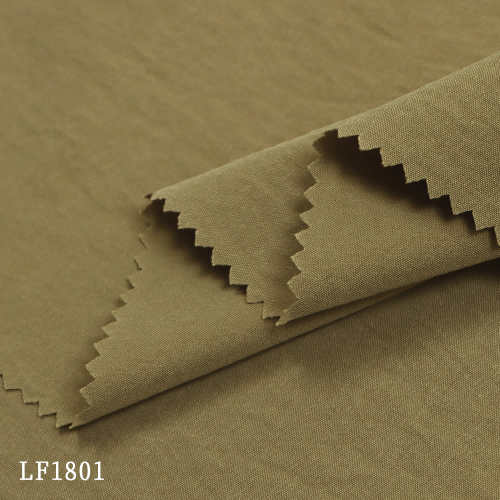
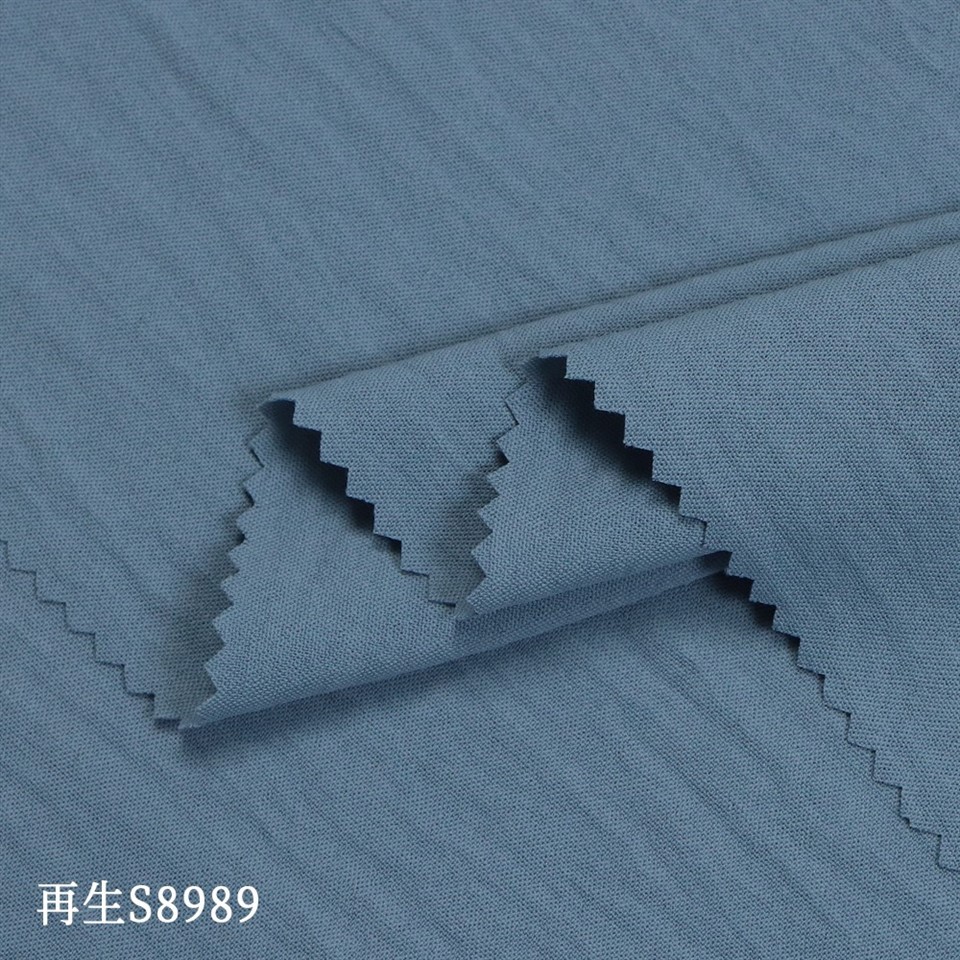
The history of twill weaving dates back thousands of years, with evidence of twill fabrics found in ancient civilizations across the globe. Twill is characterized by its distinctive diagonal rib pattern, which is created by passing the weft yarn over and under multiple warp yarns in a regular sequence. This unique weaving technique gives twill fabric its strength, durability, and characteristic texture.
One of the key advantages of twill woven fabric is its versatility. It can be made from a variety of fibers, including cotton, wool, silk, and synthetic materials, each offering its own unique properties and benefits. Cotton twill, for example, is known for its breathability, comfort, and durability, making it a popular choice for a wide range of applications. Wool twill, on the other hand, is prized for its warmth, insulation, and natural moisture-wicking properties, making it ideal for winter clothing and outerwear.
Traditional Uses in Apparel
One of the most common traditional uses of twill woven fabric is in the production of apparel. Twill fabric’s strength, durability, and distinctive texture make it a popular choice for a variety of clothing items, including trousers, jackets, shirts, and dresses.
Twill trousers, in particular, have long been a staple of men’s and women’s wardrobes. The diagonal rib pattern of twill fabric not only adds visual interest but also helps to conceal dirt and wear, making twill trousers a practical and stylish choice. Twill jackets, such as the classic denim jacket, are also popular for their durability and versatility. Denim is a type of twill fabric made from cotton, and it is known for its strength, abrasion resistance, and ability to fade and wear in uniquely over time.
In addition to trousers and jackets, twill fabric is also commonly used in the production of shirts and dresses. Twill shirts are often made from lightweight cotton twill and are known for their comfort, breathability, and wrinkle resistance. Twill dresses, on the other hand, can range from casual to formal styles and can be made from a variety of fibers, including silk, wool, and synthetic materials.
Traditional Uses in Home Furnishings
Another traditional use of twill woven fabric is in the production of home furnishings. Twill fabric’s durability, strength, and distinctive texture make it a popular choice for a variety of home decor items, including curtains, upholstery, bedding, and table linens.
Twill curtains are a popular choice for their ability to add a touch of elegance and sophistication to any room. The diagonal rib pattern of twill fabric can create a sense of depth and texture, while the fabric’s durability ensures that the curtains will last for years. Twill upholstery is also commonly used for sofas, chairs, and other furniture pieces. The strength and durability of twill fabric make it ideal for high-traffic areas, while the fabric’s texture can add a touch of warmth and comfort to the furniture.
In addition to curtains and upholstery, twill fabric is also commonly used in the production of bedding and table linens. Twill bedding is known for its softness, comfort, and durability, making it a popular choice for those who want a high-quality, long-lasting bedding set. Twill table linens, such as tablecloths and napkins, are also popular for their ability to add a touch of elegance and sophistication to any dining table.
Traditional Uses in Industrial Applications
In addition to its traditional uses in apparel and home furnishings, twill woven fabric is also widely used in a variety of industrial applications. Twill fabric’s strength, durability, and resistance to abrasion make it a popular choice for a variety of industrial products, including workwear, protective clothing, and industrial textiles.
Workwear made from twill fabric is commonly used in industries such as construction, manufacturing, and transportation. The strength and durability of twill fabric make it ideal for clothing that will be subjected to heavy wear and tear, while the fabric’s breathable and comfortable properties ensure that the wearer will be able to work comfortably for extended periods of time. Protective clothing, such as flame-resistant clothing and high-visibility clothing, is also commonly made from twill fabric. The fabric’s strength and durability make it ideal for clothing that will be used in hazardous environments, while the fabric’s ability to be treated with special coatings and finishes makes it suitable for a variety of protective applications.
Industrial textiles, such as conveyor belts, filtration fabrics, and geotextiles, are also commonly made from twill fabric. The strength and durability of twill fabric make it ideal for use in applications where high strength and abrasion resistance are required, while the fabric’s ability to be engineered with specific properties and characteristics makes it suitable for a variety of industrial applications.
Conclusion
In conclusion, twill woven fabric is a versatile and enduring textile with a rich history and a multitude of traditional uses. From apparel and home furnishings to industrial applications, twill fabric’s strength, durability, and distinctive texture make it a popular choice for a wide range of products. As a supplier of twill woven fabric, I am proud to offer a high-quality, versatile material that meets the needs of a variety of industries and applications.
3 1 Twill Weave If you are interested in learning more about our twill woven fabric products or would like to discuss your specific requirements, please do not hesitate to contact me. I would be happy to answer any questions you may have and provide you with more information about our products and services.
References
- Johnson, A. (2018). Textile History: From Ancient to Modern Times. Oxford University Press.
- Smith, B. (2019). The Art of Weaving: Techniques and Traditions. HarperCollins.
- Williams, C. (2020). Industrial Textiles: Applications and Innovations. Wiley.
Shaoxing Huichao Textile Co., Ltd.
As one of the most professional twill woven fabric manufacturers and suppliers in China, we offer a wide range of products with superior quality. We warmly welcome you to wholesale bulk twill woven fabric in stock here from our factory. If you have any enquiry about cooperation, please feel free to email us.
Address: Shenyue International Build ing, Unit 1603-1605, Keqiao District, Shaoxing City, Zhejiang Province, China
E-mail: darrenzhong@huichaotextile.com
WebSite: https://www.huichaotextile.com/
