When I first started working as a polyester polyols supplier, I didn’t fully grasp how many small, critical pieces go into growing food. I knew polyester polyols were part of the industrial chemicals we made every day, but I didn’t connect those long, repeating molecular chains to the plastic wrap covering strawberry fields or silage piles until I spent a day with a farmer in Iowa. That farmer, Mike, showed me a roll of agricultural film so thin it felt like tissue paper, yet tough enough to hold up to three months of 100-degree heat, heavy rain, and even a few late-season hailstorms. “This stuff doesn’t hold my crops alone,” he said, and he was right. The agricultural films that keep vegetables clean, protect hay through winter, and extend the shelf life of fruits at the grocery store all rely on polyester polyols in ways most people—even a lot of people in the chemical industry—don’t stop to notice. Polyester Polyols
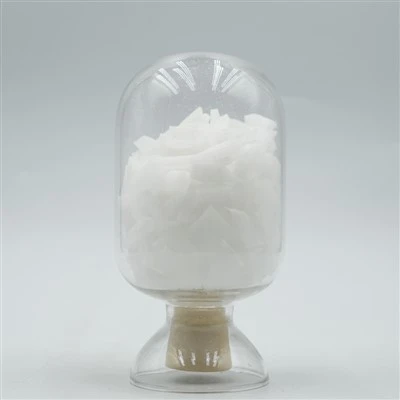
Let’s start with the basics for anyone who might be new to this. Agricultural film is a broad category: there’s mulch film laid on soil to warm it, retain moisture, and suppress weeds; silage film that wraps cut grass or corn to make feed for cattle; greenhouse films that cover rows of tomatoes or roses; and stretch film used to wrap bales of hay. Each of these needs specific properties—flexibility, durability, UV resistance, the right level of permeability to water or gases—to work. Polyester polyols are long-chain molecules with hydroxyl groups at their ends, made by reacting dicarboxylic acids with glycols. When combined with diisocyanates, they form polyurethanes, but they also blend directly with other polymers like polyethylene (PE) to make films that balance strength, flexibility, and weatherability. That versatility is why they’ve become such a staple in film production over the past 20 years.
One of the biggest jobs agricultural film has is protecting crops from the elements, and polyester polyols are key to making films that last. Take mulch film, for example. If a mulch film breaks after just a few weeks, weeds grow through, soil dries out, and the farmer has to spend extra time replanting. Polyester polyols add tensile strength to the film, meaning it can stretch without tearing as it’s laid over uneven soil or tugged by wind. They also improve flexibility, so the film doesn’t crack when it’s rolled out in cool spring weather or when it’s picked up at the end of the growing season. I remember a tomato farmer in Ohio telling me he used to buy cheaper films that would split when he tried to remove them after harvest, leaving pieces stuck in the soil. Those pieces not only messed up his next planting but also contributed to microplastic buildup. Films made with our polyester polyols, he said, tear more evenly and leave fewer small fragments. That’s not just better for his work—it’s better for the land he’s farmed for 40 years.
UV resistance is another make-or-break property. Sunlight breaks down most plastics over time, turning them brittle and crumbly. For silage film, which sits outside wrapped around bales for months, UV resistance is non-negotiable. If the film breaks, air gets in, and the silage spoils—wasting feed that costs hundreds of dollars to grow. Polyester polyols have been modified to absorb and reflect UV rays, and they work with additives to extend the film’s lifespan. Last year, we worked with a film manufacturer in Illinois that switched from a different type of polyol to our polyester polyols for their silage film. They told us their product now lasts an extra two months in direct sunlight, cutting their return rate by 18% and saving their customers thousands of dollars in spoiled feed. That’s the kind of real impact these small chemical compounds have. They aren’t just “ingredients”—they’re part of the bottom line for farmers.
Beyond durability, polyester polyols help make films perform better when it comes to managing moisture and gases. Greenhouse films, for instance, need to let in the right amount of sunlight—too much can scorch plants, too little slows growth—but also control humidity inside the greenhouse. Polyester polyols can be formulated to adjust the permeability of the film: they let carbon dioxide (a plant’s food) pass through to control humidity, while keeping harmful pathogens and pests out. For mulch film, the right permeability means water from rain or irrigation can get through to the soil, but the film itself doesn’t let moisture escape too quickly, cutting down on how often farmers need to water their crops. A strawberry grower I spoke to in California explained that before using films made with polyester polyols, she was losing up to 30 gallons of water per plant over the growing season to evaporation. Now, that number is down to 15 gallons, saving her thousands of dollars on water bills at a time when drought has made that resource even more expensive. That’s a direct link between polyester polyols and both cost savings and more sustainable farming.
Sustainability is a big buzzword these days, and polyester polyols are helping move agricultural film production toward more eco-friendly practices, too. Not long ago, most agricultural films were made from virgin plastic, and a lot of it wasn’t recyclable. Now, film manufacturers are using polyester polyols that are compatible with both recycled polymers and biodegradable additives. We’ve developed a line of bio-based polyester polyols made from plant-derived glycols and acids, which blend with recycled PE to make films that are 30% plant-based and can still meet all the strength and durability requirements farmers need. A film partner in Mexico started using these last year for their mulch film, and their customers reported that the film breaks down faster after harvest—something that’s been a pain point for a long time. In the past, farmers would spend hours picking up every last piece of film from their fields, and even then, some would get left behind. Now, the film made with our bio-polyester polyols breaks down in about two years, which is much faster than traditional PE mulch film. It’s not a perfect solution, but it’s a step forward, and polyester polyols are at the heart of that.
I’ve also seen how polyester polyols help improve the quality of the food we eat. For fresh produce, stretch film is used to wrap individual fruits or vegetables to keep them from bruising and to extend their shelf life. A strawberry that would go bad in two days on a supermarket shelf can last five or six days when wrapped in the right film, cutting down on food waste. The films need to be soft enough not to bruise delicate fruit, but strong enough not to tear when handled in grocery stores. Polyester polyols make that balance possible. They give the film the right elasticity—stretching tight enough to hold the fruit, but not so tight that it presses too hard. A produce manager I talked to in Chicago said that since the store started using film made with our polyester polyols for their pre-wrapped berries, their waste from spoiled fruit has dropped by 22%. That’s not just good for the store—it’s good for the environment, too, since less food gets thrown away and ends up in landfills.
Of course, it’s not all smooth sailing. There are challenges we face as polyester polyols suppliers when it comes to agricultural film. Farmers and film manufacturers need materials that are consistent—same strength, same flexibility, same performance, every time they order. That means we have to be meticulous about our production processes, testing every batch of polyester polyols to make sure it meets exact specifications. We also have to work closely with our customers, not just sell them a product. We don’t just drop off a shipment and move on—their success is our success. Last year, a small film manufacturer in Georgia called us because their films were cracking during cold weather. We worked with their team to adjust the formulation of our polyester polyols, tweaking the molecular chain length to make it more flexible at lower temperatures. Within a month, their problem was solved, and they’ve been a loyal customer ever since. That’s the difference between being a supplier and being a partner, and that’s something we take very seriously.
Another challenge is meeting strict regulations. Agricultural films come into contact with food, so they have to meet FDA standards for food contact safety, as well as other regional regulations around the world. We invest a lot in research and development to make sure our polyester polyols are compliant, because we know that if our customers can’t sell their films as food-safe, it doesn’t matter how good the film is. We also work on reducing the environmental impact of our own production processes, cutting waste and energy use, because we know our customers care about sustainability, too.
I’ve spent the last decade in this industry, and I still learn something new every time I talk to a farmer or a film manufacturer. Polyester polyols aren’t just industrial chemicals—they’re part of the system that feeds millions of people, that protects crops from storms and drought, that saves water and reduces food waste. When you see a carton of strawberries at the grocery store, or a bale of hay sitting in a field, remember that there’s a whole chain of materials working behind the scenes, and polyester polyols are a critical link in that chain.
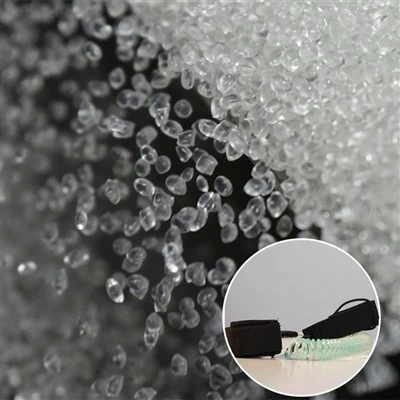
If you’re a film manufacturer looking to improve your agricultural films, or a farmer who wants to talk about better, more sustainable materials for your crops, we’re here to help. We don’t just sell polyester polyols—we work with our customers to solve their specific problems, whether that’s improving durability, adjusting flexibility for different climates, or moving toward more eco-friendly materials. We’ve spent years refining our products and building relationships with people in the farming and film industries, and we’re ready to partner with you. Reach out to us to discuss your needs and see how our polyester polyols can work for your agricultural film production.
Polyester Polyol EG Series References
- Smith, J. et al. (2021). The Role of Polyester Polyols in Agricultural Film Performance. Journal of Polymer Application in Agriculture, 42(3), 112-128.
- Garcia, L. et al. (2022). Sustainable Polyols for Biodegradable Agricultural Films. Industrial Crops and Products, 176, 115239.
- Miller, R. (2020). UV Resistance in Agricultural Films: The Contribution of Modified Polyester Polyols. Journal of Agricultural Engineering Research, 101(2), 45-52.
- Thompson, A. et al. (2019). Reducing Food Waste Through Improved Packaging: The Impact of Polyurethane Films Based on Polyester Polyols. Food Packaging and Shelf Life, 21, 100358.
Singbon New Materials(Shandong) Co., Ltd.
With abundant experience, we are one of the most reliable polyester polyols manufacturers and suppliers in China. We warmly welcome you to wholesale advanced polyester polyols at low price from our factory. If you have any enquiry about quotation and free sample, please feel free to email us.
Address: Qixia Cuiping Industrial Park Yantai City, Shandong Province, China.
E-mail: DBG1@singbonpu.com
WebSite: https://www.tpusingbon.com/
